
Pet care guides
How to Prepare for Your Pet's First Vet Visit in Urca
Bring records, photos of flare-ups and a list of foods and products. Our checklist for your pet's first visit in Urca helps us find answers faster.
By Clínica Veterinária - Dra Caroline Auler5 min read
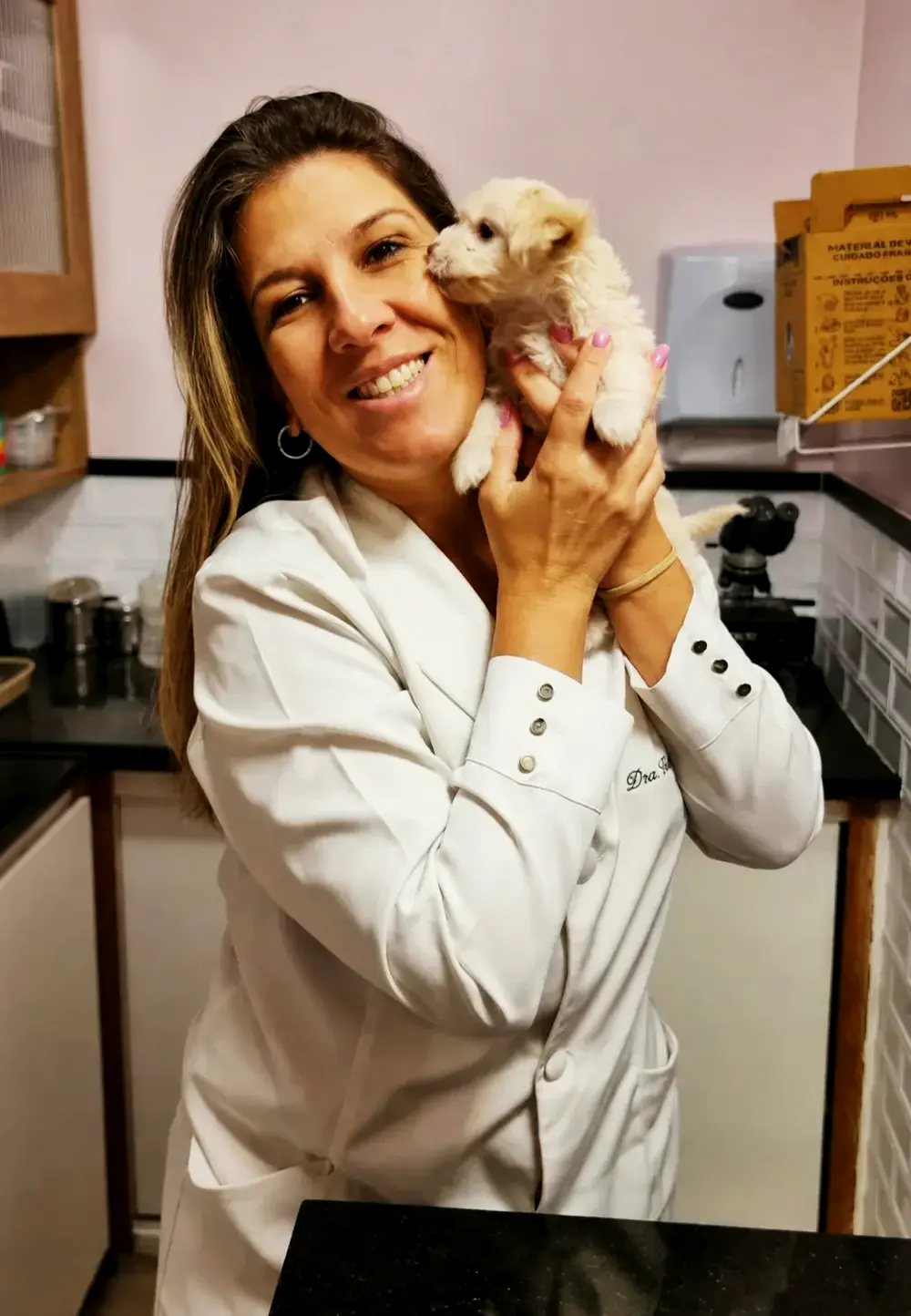
To prepare for your pet's first vet visit, gather past medical records, a list of every food, treat and medication, and clear photos of skin flare-ups, itchy paws or red ears. Don't bathe your dog or cat right before the appointment. Bring a short timeline of symptoms, and arrive a few minutes early so your pet can settle.
What should I bring to my pet's first vet visit?
At Clínica Veterinária - Dra Caroline Auler, many first visits involve skin problems that have dragged on for a long time. These cases usually come with a long history of shampoos, diets and medications. The more of that history you bring, the less time we spend guessing.
Here's what helps us most:
- Bring every exam result, prescription and vet report you have, even old ones you think don't matter.
- Write down the full list of foods, treats, chews and table scraps your pet eats in a normal week.
- Note every medication, supplement, ear drop and shampoo you've tried, plus roughly how long each was used.
- Take dated photos of the skin, paws or ears on bad days, because flare-ups rarely show up on cue in the consulting room.
- Record when the itching is worst, such as at night, after walks or after baths.
- Bring your pet on a leash or in a secure carrier, with a favourite towel that smells like home.
Try this: keep a simple note on your phone for one week before the visit. It doesn't need to be neat. A messy, honest log is worth more than a perfect memory.
Should I bathe my pet or treat the skin before the appointment?
Most owners think a clean, freshly bathed pet makes a better impression. It's the opposite. A bath right before the visit can wash away scales, crusts and odours that tell us a lot, and medicated shampoos can temporarily calm the very signs we need to see.
The same goes for creams, sprays and ear cleaners applied that morning. Skip them for the day unless we've told you otherwise. Don't stop prescribed oral medication on your own, though. If you're unsure whether a drug should continue, call us first and ask.
A typical case shows why the details matter. A tutor arrives sure the problem is a new shampoo. The food diary points somewhere else, to the chicken treats handed out every evening, and that changes the whole plan. Without the diary, we might have spent weeks chasing the wrong cause.
What kind of first visit does my pet actually need?
Not every first appointment has the same goal. Knowing which one you're booking helps you prepare the right things. If you're still comparing professionals, our guide on questions worth asking when choosing a specialist is a good place to start.
| Visit type | Who it's for | What to bring | When it's not the right fit |
|---|---|---|---|
| Routine check-up | Healthy pets, new puppies or kittens, annual care | Vaccination card, deworming history, diet info | When there's an ongoing problem that needs investigation |
| Dermatology consultation | Pets with chronic itching, ear infections, hair loss or paw licking | Full treatment history, photos, food and product list | When the issue is sudden trauma or an emergency |
| Second-opinion visit | Pets already treated elsewhere without lasting improvement | All previous reports, test results and prescriptions | When no treatment has been tried yet |
Dra. Caroline has spent more than 20 years dedicated to veterinary dermatology. That experience is most useful when we can see the whole story, not just today's skin.
Why does a calm arrival make such a difference?
Stress changes how animals behave. A frightened dog may pant, tremble or refuse to let us look inside its ears, and a stressed cat can hide every sign we're trying to assess. Can we examine a pet who's terrified? Sometimes, but we learn far less.
Small steps help. Get your cat used to the carrier days ahead by leaving it open at home with a blanket inside, give your dog a short walk before you come in so there's less pent-up energy, and avoid a large meal right before the visit unless we've asked for it. Arrive early. Breathe.
Curious about what happens once you're in the room? We've written a separate piece on what to expect at your appointment, from the first questions to the exam itself.
FAQ
Should my pet fast before the first vet visit?
Usually not. For a standard first consultation, your pet can eat normally, though a lighter meal a few hours before helps with travel nerves. If blood tests or sedation might be needed, we'll tell you when you book. When in doubt, call us and ask instead of skipping meals on your own.
Can I bring photos instead of waiting for a flare-up?
Yes, and we encourage it. Skin and ear problems often look calmer on the day of the appointment than they did all week. Clear, well-lit photos of red patches, scabs, hair loss or swollen ears give us a much better picture. Short videos of scratching or head shaking are helpful too.
What if I don't have my pet's old records?
Bring whatever you can remember. Product names, rough dates and how your pet responded to each treatment are still useful. You can also ask your previous clinic to send the records to us. Missing paperwork won't stop the consultation; it just means we'll ask more questions at the start.
Where is Clínica Veterinária - Dra Caroline Auler located?
We're at R. Mal. Cantuária, 102 - Lj D, in Urca, Rio de Janeiro - RJ, 22291-060. To book your first visit or ask how to prepare for a specific problem, call us at +55 219 944 803 65. We're happy to tell you exactly what to bring before you arrive.