
Pet care guides
What to Expect at Your Pet's Vet Dermatology Appointment
From history questions to skin and ear tests, learn what happens at your pet's vet appointment in Urca, Rio de Janeiro, and arrive ready to get answers.
By Clínica Veterinária - Dra Caroline Auler5 min read
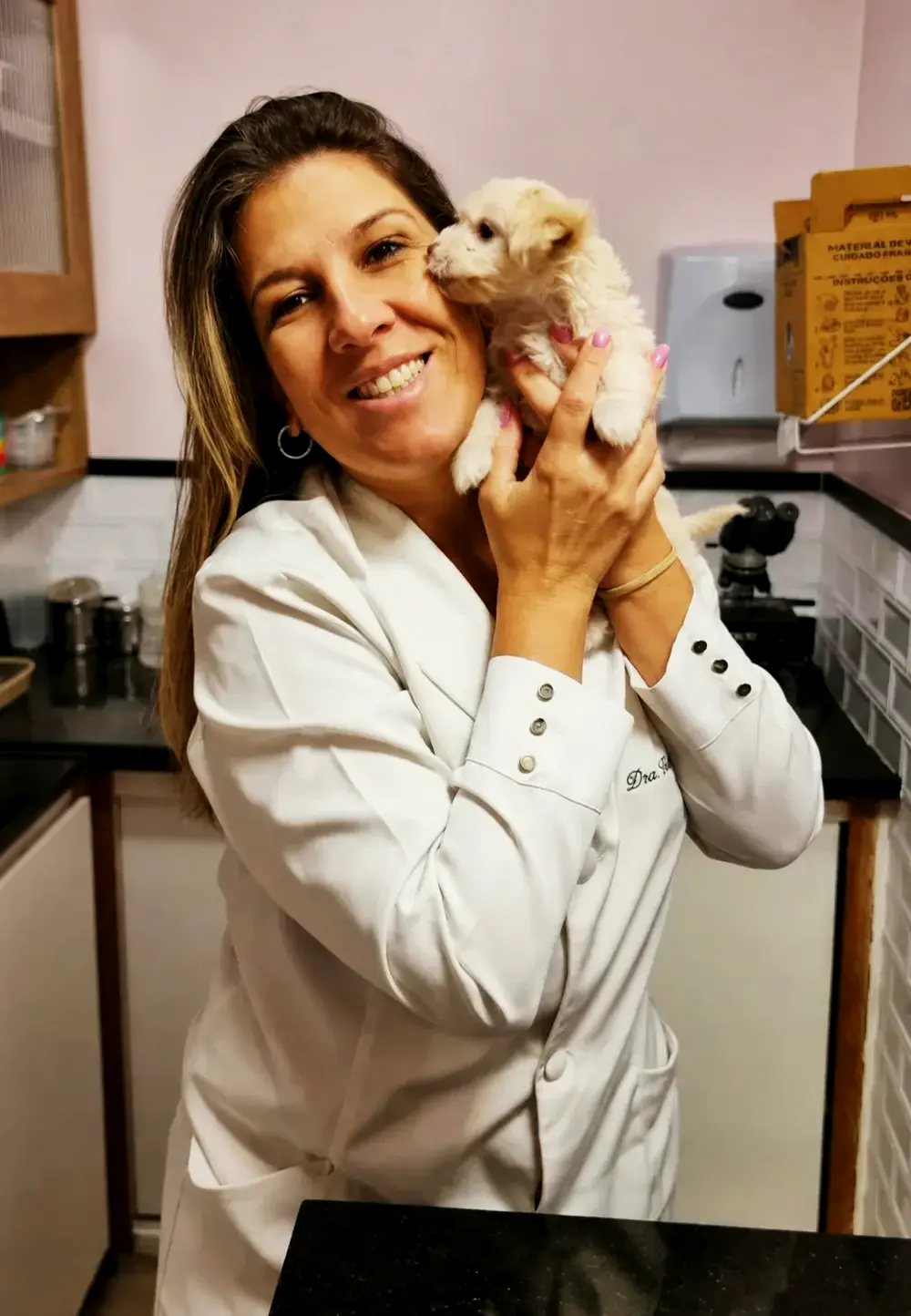
At a veterinary appointment, you can expect a conversation about your pet's history, a hands-on physical exam of the skin, ears, coat, eyes and paws, and, when needed, simple tests such as skin scrapings or ear swabs. The vet then explains what the findings suggest and agrees a treatment plan with you before you leave.
That's the short version. Below, we walk through each step as it happens at Clínica Veterinária - Dra Caroline Auler, so nothing in the exam room catches you off guard.
What happens during a veterinary appointment?
Every visit follows a clear rhythm. We don't rush to the exam table, because the first minutes of talking often tell us more than the first minutes of looking. A typical consultation moves through these stages:
- We start by asking about your pet's history, including diet, past treatments, medications and when the symptoms first appeared.
- We observe your pet moving and behaving in the room before we touch them, since posture and scratching patterns are clues in themselves.
- We examine the coat and skin closely, checking for redness, hair loss, crusts, parasites and changes in pigment.
- We look inside the ears with an otoscope, because ear inflammation and skin allergies often travel together.
- We check the paws, between the toes, the eyes and the mouth, which are common spots for allergic reactions.
- We collect samples for quick in-clinic tests if the exam points to infection, mites or yeast.
- We explain what we found in plain language and build a treatment plan with you, including follow-up steps.
If it's your pet's first time with us, our guide on how to prepare for your first visit covers what to bring, from old prescriptions to photos of flare-ups.
What tests might your pet need at the vet?
Not every visit needs tests. Many do. Skin problems look alike on the surface, and a red, itchy patch can come from fleas, mites, bacteria, yeast or an allergy, so we use simple diagnostics to tell them apart instead of guessing. Veterinary associations encourage evidence-based diagnosis over trial-and-error treatment for exactly this reason [1].
Here's how the common options compare:
| Test | What it looks for | How it's done | When it may not be needed |
|---|---|---|---|
| Skin scraping | Mites and some parasites | A blade gently scrapes the skin surface | When the pattern clearly points elsewhere |
| Cytology (tape or swab) | Bacteria and yeast | Tape or a swab collects cells for the microscope | When the skin shows no signs of infection |
| Ear swab | Ear infections and yeast | A cotton swab samples the ear canal | When the ears look and smell healthy |
| Elimination diet trial | Food allergy | A strict diet followed at home over weeks | When symptoms clearly match a seasonal or contact cause |
Your pet won't need all of these. We choose based on what the exam shows, and we explain why before taking any sample.
Why does the vet ask so many questions about your pet's history?
Because the history is half the diagnosis. Dra. Caroline has spent more than 20 years dedicated to veterinary dermatology, and the pattern repeats: owners expect the answer to come from the skin, but it often comes from the story.
Here's a scenario many owners will recognise. A dog arrives with a constant ear infection, and the owner is sure it's a hygiene problem, so they've been cleaning the ears every day. The questions reveal licking of the paws, a recent food change and itching that gets worse at certain times, and suddenly the ears look less like the problem and more like a symptom of an allergy.
Plenty of owners believe the first question to ask is "which shampoo should I buy?" Actually, that's the wrong place to start. A shampoo treats the surface. The useful question is "what is causing this?", because once the cause is known, the shampoo becomes one small part of a plan instead of the whole plan.
Try this: before your visit, write down when the itching started, what you've already tried, and whether anything made it better or worse. Five minutes of notes can save weeks of guessing. Isn't that worth doing?
If you're still comparing clinics, our article on questions worth asking when choosing a specialist helps you judge any vet before booking.
FAQ
Will my pet be stressed during the appointment?
Some pets get nervous, and that's normal. We let your pet settle and sniff the room before the exam, handle them calmly, and pause when they need a break. Bringing a favourite blanket or treat can help. You stay with your pet throughout, which reassures many animals and lets you see every step of the exam.
Should I bathe my pet before the visit?
No, please don't. Bathing can wash away the very signs we need to see, such as crusts, debris in the coat or the smell of a yeast infection. Skip ear cleaning too, so we can sample what's really inside. If your pet is on medicated shampoo, tell us when you last used it and bring the bottle.
Can I bring previous test results and prescriptions?
Yes, and we encourage it. Past results, prescriptions and photos of earlier flare-ups show us what has already been tried and how your pet responded. This avoids repeating tests that won't add anything and helps us build on earlier work rather than starting from zero. Paper copies or photos on your phone both work.
Where is Clínica Veterinária - Dra Caroline Auler located?
We're at R. Mal. Cantuária, 102 - Lj D, in Urca, Rio de Janeiro - RJ, 22291-060. To book an appointment or ask a question before your visit, call us on +55 219 944 803 65. We'll help you choose the right appointment for your pet's needs.